

Achieving a professional finish with diagonal floor tiling
Floor tiling is often viewed as a purely functional aspect of interior finishing. However, the orientation and layout of tiles can significantly influence how a space is perceived. One of the most effective yet understated techniques is diagonal tiling.
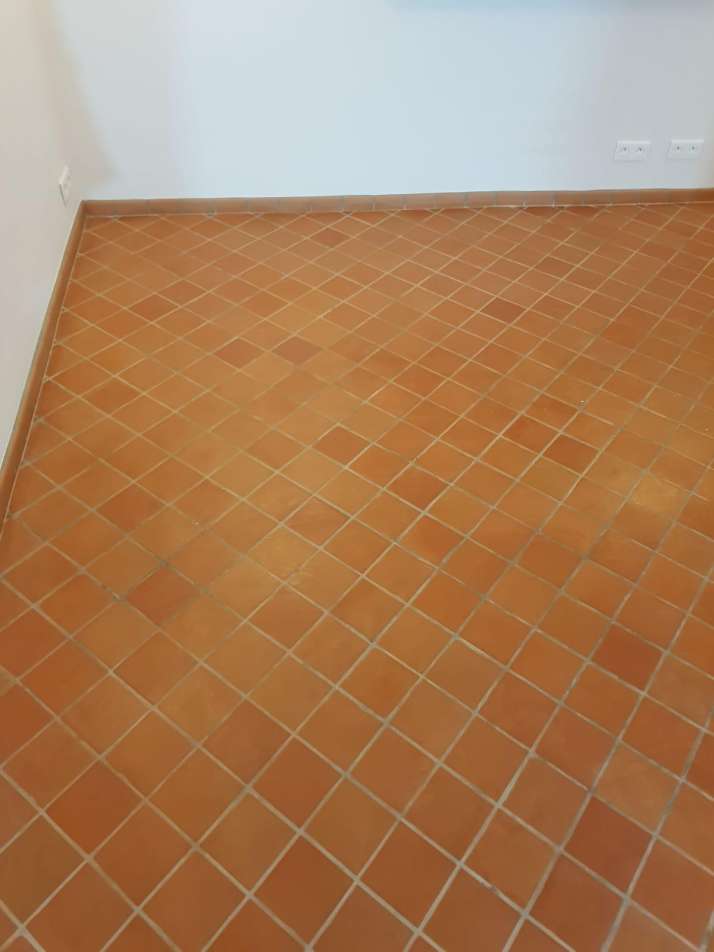
Unlike standard straight layouts, diagonal tile installation introduces movement and depth. By shifting the grid at a 45-degree angle, the floor draws the eye across the room in a more dynamic way. This can make spaces feel larger, more open, and visually engaging—particularly in areas where simplicity might otherwise feel flat.
But the visual benefits come with added complexity.
Diagonal layouts require a higher level of planning and execution. The process begins with precise setting out, ensuring the pattern is balanced and symmetrical from the centre of the room. Even minor miscalculations at this stage can become highly visible once the installation progresses.
Consistency is equally important. Maintaining uniform spacing, clean grout lines, and accurate cuts along edges demands attention to detail throughout the entire process. Perimeter cuts, in particular, must be carefully measured to preserve the integrity of the layout and avoid uneven finishes.
In addition to aesthetics, durability remains a key consideration. A well-executed tiled floor must withstand daily use, especially in high-traffic environments. Proper substrate preparation, correct adhesive selection, and professional installation techniques all contribute to a finish that performs as well as it looks.
Ultimately, diagonal floor tiling is a balance between design intent and technical execution. When done correctly, it delivers a result that feels both refined and robust—enhancing the space without overwhelming it.